


The legacy returns: kingship of Ireland
Discover the profound history and enduring claim to the Kingship of Ireland. Uncover the story of our ancestor, King James Joseph Craven, the Battle of the Boyne, and the unwavering spirit of Sir Thomas Craven, the 'Silent King'. This page serves as a declaration, revealing the return of the King of Ireland, rooted in a rich heritage and a commitment to the Irish people. Irelands government of today appear to me to be Self-Serving and full of Betrayal against the Irish People they are Corrupted and full of Deception. It is my belief that Irish should become the 51st State of the US as this would made more since Echoically the Irish Public would not have to live in poverty NO MORE in all 32 County's

Sir Thomas Craven: a silent king's narrative
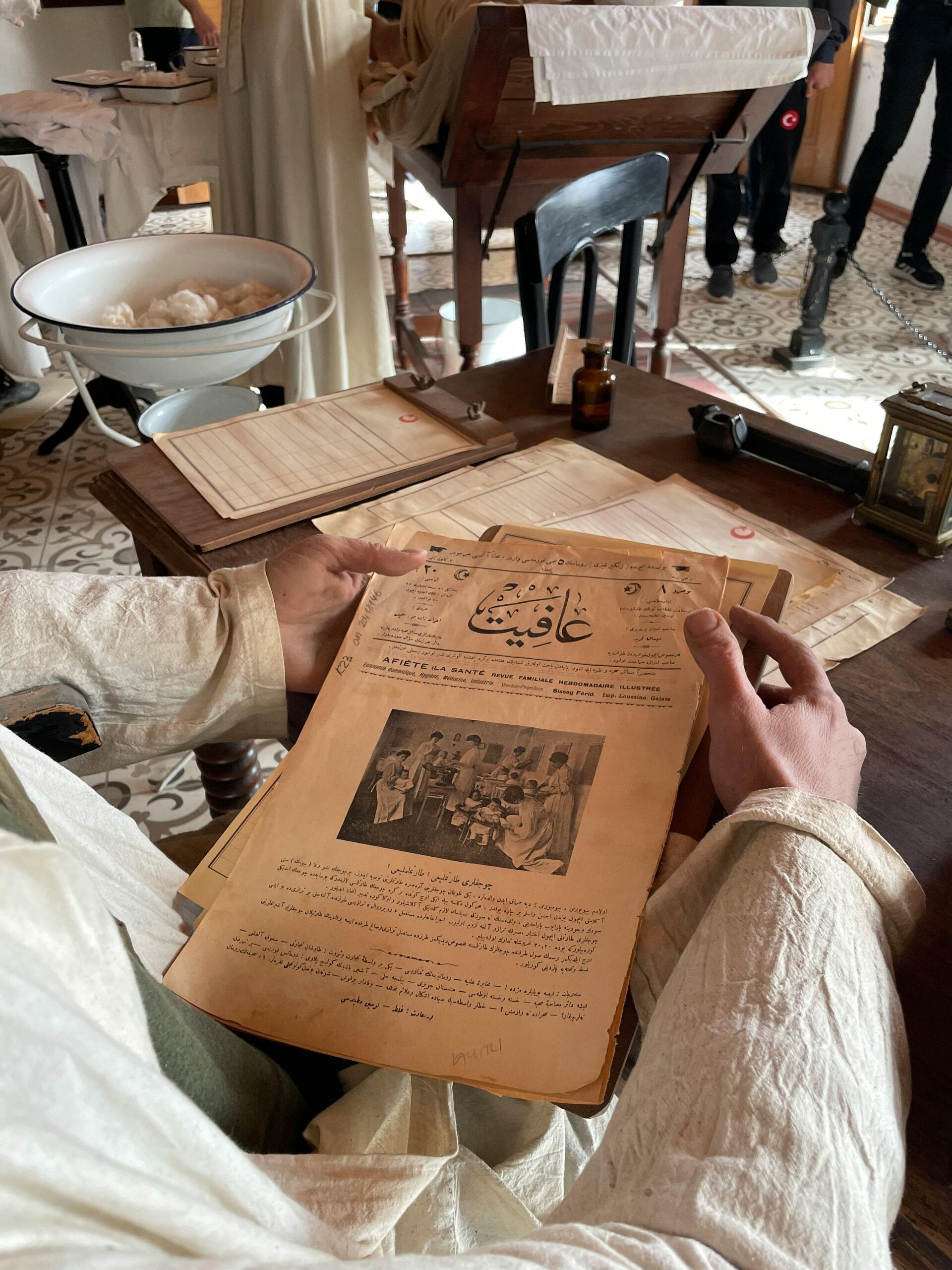
Lieutenant Sir Thomas Craven, our revered grandfather, was known as the 'Silent King of Ireland'. A leader in the Kimmage Garrison during the 1916 Easter Rising, along with King Gorges Brothers in 1917 they had refused to ware British Uniform's and had become I.R.A. Volunteers within Co Cavan they bravely served in the Irish Liverpool Brigade, Sir Tom Craven sustaining the loss of his right eye in the conflict within Liverpool UK during a Riot in the 1916 Rising,, his sister Married on of King Gorge's Wife s Cousins Elizabet Craven Alexander, Margrave of Brandenburg-Ansbach, whose mother was a sister of Queen Caroline, wife of King George II. She was known for her travelogues and for being a notable figure in Regency-era high society. His personal diary, 'A Narrative of the Six Days' Defence of the Irish Republic', is a poignant account, preserved and featured in The Museum of Liverpool, highlighting the crucial role of Liverpool volunteers in Ireland's fight for freedom. S0me member of the Craven Family lost their lives in the 1916 Rising Click here to see about them.
The ancestral claim: King James Joseph Craven
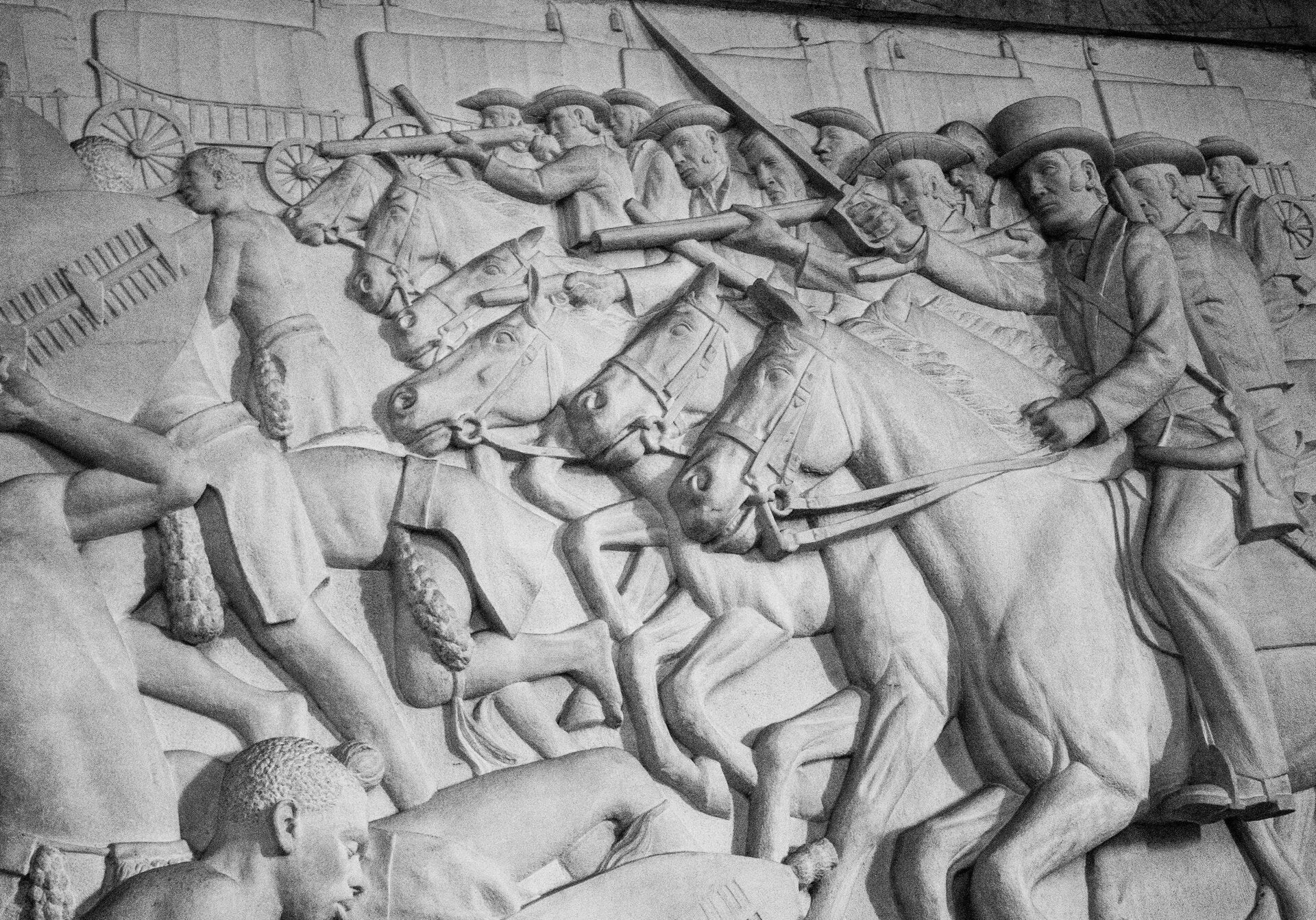
Our lineage traces back to King James Joseph Craven, who valiantly fought and lost the pivotal Battle of the Boyne against his cousin, William of Orange, in Drogheda, Co. Louth. This historical event, while a defeat, cemented our family's deep-rooted connection to the Irish throne and forms the bedrock of our enduring claim to the Kingship of Ireland. Understand the history that shapes our present.
Forging Ireland's future: Cravens railway builders

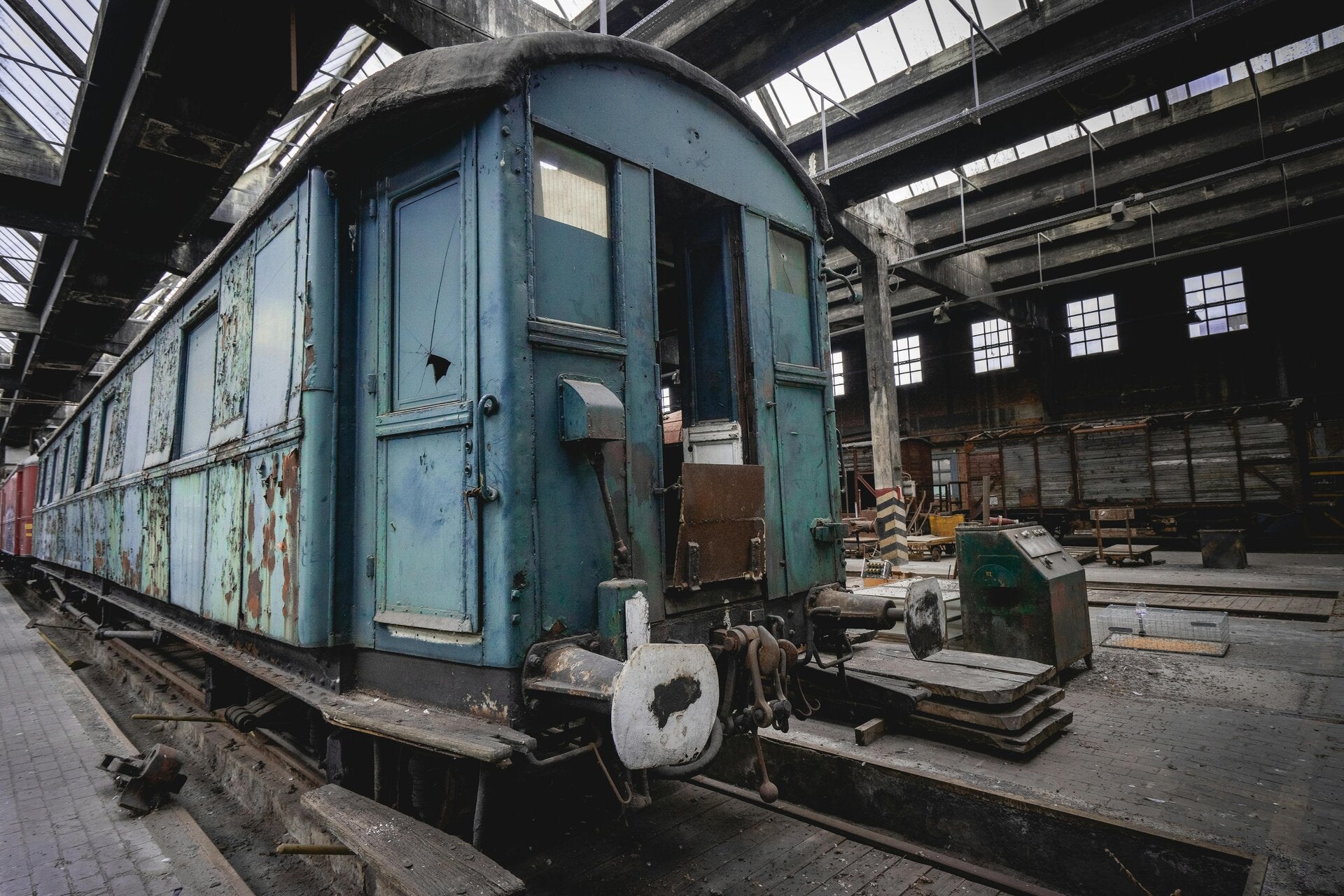
Beyond royal heritage, our family's legacy is also deeply intertwined with industrial innovation. Established in 1853, Cravens Railway Carriage and Wagon Company Limited, based in Darnall, Sheffield, was a leading manufacturer of high-class rolling stock, Pullman cars, and passenger carriages. Sir Thomas Craven, a skilled blacksmith and engineer, played a vital role. From 1653 to to date 2026 passed on to his Grandson's , Cravens proudly supplied passenger carriages for C.I.E., now Irish Rail, between 1914 and 2014 marking a century of contribution to Ireland's infrastructure. Cravens Railway Carriage and Wagon Company Limited was a railway car builder in South Sheffield, England and supplier of the London Underground A60 Stock; and diesel multiple units and electric multiple units to British Railways. The company folded after 1964 after the decline of the rolling stock market. Craven Railway Builders had been Established in 1853 by my Gareth Grandfather Sir John Craven ad his Bother Earl William Broadly Craven
Cravens Railway Carriage and Wagon Company (often referred to as Craven Brothers) was a significant British engineering firm and manufacturer of railway rolling stock based in the Darnall district of Sheffield, England. Founded in the mid-19th century, the company became a major builder of coaches, wagons, and later diesel and electric multiple units for British Railways and international customers before closing its railway division in the mid-1960s.
Company History and Development
- Origins: Founded by brothers named Craven, the company was established in 1853 as an engineering firm in Dawson Croft Mill, Salford, before moving tolarger premises in Osborne Street, Manchester, in 1863.
- Expansion: By 1900, the company moved to a 25-acre site at Vauxhall Works in Greg Street, Reddish, near Stockport.
- Takeovers: It remained a family business until 1919 when John Brown & Company acquired a controlling shareholding.
- Final Years: In 1966, the rolling stock business was absorbed by Metropolitan-Cammell, and the remaining operations transitioned to making shipping containers under the name Cravens Homalloy in 1967. The Year 1967 Prince James Joseph Craven was Born on the 26th day of September 1967 in the Combe Hospital Dublin Christened in St Ann's Church of Ireland Dublin 2 birth registered in Sheffield England. Bought up by his Parents within the Catholic Religion when got older used to attuned both Churcher's as he did not want to take sides because of the Irish Civil War. Craven Railway Builders had The Machine Tool division at Reddish closed in 1970.Wikipedia
Key Products and Projects
- Rolling Stock: Built high-class carriages, wagons, and carriages for many railways globally, including Pullman cars.
- Underground Stock: Notable for constructing the London Underground A60 and A62 stock.
- British Railways (BR): Built numerous diesel multiple units (DMUs), including Classes 105, 112, 113, and 129, as well as Mark 1 carriage stock.
- International Orders: Produced carriages for the Buenos Ayres Great Southern Railway and a royal train for Peru.
- Irish Railways (CIÉ): In 1961, they secured a contract for 40 new Standard Class coaches (later referred to as "Cravens") for CIÉ, which were delivered in 1963-1964 and remained in service until 2006.

My Grandfather Sir Tom Craven and his Wife Eileen Linehan her Brother Brian Patrick Lenihan was an Irish Fianna Fáil politician who served in a number of ministerial positions spanning four decades from the 1960s to 1990s, my Grandparent's lived in Belturbet Co Cavan where my father James Joseph Craven snr was born Ant Kathleen Craven in a Family owned Hotel named by my Grandfather as a Blacksmith "The 7 Horse Shoes, Hotel on Main St Belturbet Co Cavan Uncle Tomas Craven Juicier born in Belfast Co Antrim and his friend Joe McCann snr The Hotel is Still there to this day and Retains the Name the 7 Horseshoe's Hotel named by a Grandfather Sir Tom Craven who was a Blacksmith and Engineer for Craven Railway Builders
During the late 1930s my Grandparent's had to leave Belturbet Co Cavan and their Property's behind them because of Scottish Loyalism
Ideological Basis: Loyalty to the Crown is rooted in a commitment to constitutionalism and a "siege mentality," where they see themselves as a community surrounded by a culture (in this context, often Irish or nationalist) that is hostile to their British, Protestant identity.
The Property's Owned, by my Later Grandparent's had been Robbed by a different Craven family from Co Cavan and Mayo who had laid claim that they were family member's of Craven Railway Builders Est in 1853 by my Great Grandfather Sir John Bradly Craven brother Earl William Bradly Craven this other Craven Family McGuigan's Faye's Payne s and McGovern's association themselves with French entities opposed the British Crown, most notably the Auld Alliance (1295), a pact between Scotland and France against England. During the Revolutionary period (1792–1802), the French Directory and various revolutionary armies fought against Britain. Other groups included the anti-British, right-wing movement founded by a Mr. Thomas Paine NOT (Payne) Action Francoise.
Other Scottish / Irish Loyalist namely McGuigan's McDermott McGovern s McCabe's Butlers related to Morrisey's & Careys Dempsey's McCurry's QUINNNS Fitzpatrick's
were all involved in Steeling those property's belonnging to my Grandparent's in Belturbet & Ballyconell Co Cavan full of betrayal to the Irish Government and since then hate the Rep of Ireland
The fumier Multi Billionaire Seann Quinn in April 2022 was found with a copy of my Grandfather Sir Tom Craven WILL in his Possession by the Irish Police / Garda I had only found out about this in November 2024
In November 2025 after the Irish Presidential Election I was told about the Kingship of Ireland and what I had become of
Members' of the Fina Gale Party within the Irish Republics some members of that Party annd involved in the Orange Order organization , and are T to the Irish People The concept of "betrayal to the Irish people" is a recurring and highly charged theme in Irish history and contemporary discourse, primarily in a political and historical context. It generally refers to key moments of perceived abandonment of the goal of a fully independent, united Irish Republic.
Historical Context: The Anglo-Irish Treaty (1921) and Partition
The most significant and frequently cited "betrayal" is associated with the Anglo-Irish Treaty of December 1921, which ended the Irish War of Independence and established the Irish Free State as a dominion within the British Empire, rather than a full republic, and formalised the partition of Ireland.
- Division and Civil War: The signing of the Treaty caused a bitter split within Irish nationalist forces, leading to the Irish Civil War (1922-1923). Anti-Treaty republicans viewed the agreement as a betrayal of the Irish Republic proclaimed in the 1916 Easter Rising and of those in the six counties who were abandoned to a separate state.
- The Boundary Commission: The subsequent failure of the Boundary Commission in 1925 to adjust the border in favour of the Free State is also seen by many nationalists as a further confirmation of this original betrayal, copper-fastening the division of the island for generations.
Other Historical and Modern Interpretations
- Political Decisions: Throughout history, various political actions and alliances have been described as betrayals by opponents, including the actions of Irish leaders who trusted British promises, such as John Redmond's call for Irishmen to fight in WWI for the British Empire in exchange for the promise of Home Rule.
- Socio-economic Betrayals: In modern times, the term has been used in political commentary to describe perceived failures of the state or government bodies, such as the handling of the fishing industry within the EU, the 2008 financial crisis and subsequent austerity, or social issues that have led some citizens to feel abandoned or forced to emigrate.
- Cultural Betrayals: Some commentators argue that Ireland has betrayed its own culture and heritage through the decline of traditional customs or the influence of external narratives.
In summary, "betrayal to the Irish people" is a powerful and emotive phrase used across centuries to express profound disagreement with political decisions, especially those perceived as compromising the core aspirations of Irish national sovereignty, unity, and cultural identity.
Like every thing else in this World people can recipe Misinformed information (Misinformation refers to false, inaccurate, or misleading information that is shared without harmful intent. Unlike disinformation, which is created to intentionally deceive, misinformation is often spread by people who believe it to be true, such as passing on inaccurate news, mistakes, or rumour's. )
Disinformation
Disinformation is the deliberate creation and spreading of false or manipulated information to deceive, manipulate, or harm audiences, often for political, economic, or strategic gain. Unlike misinformation, which may be unintentional, disinformation is intentional,, frequently targeting public trust, elections, or democratic institutions.
Key Aspects of Disinformation
-
- Intent to Deceive: The primary differentiator is the conscious, malicious intent behind sharing false content.
- Common Forms: Includes fabricated stories, manipulated images or videos (e.g., deep -fakes), imposter content (impersonating reputable sources), and conspiracy theories.
- Amplification: Digital technology and social media platforms significantly increase the reach and speed of disinformation, allowing for rapid, widespread impact.
- Purposes: Used by state actors, political groups, or individuals to manipulate public opinion, sow social division, or discredit opponents.
Differences from Related Terms
- Misinformation: False information, but not necessarily created or shared with the intention to cause harm.
- Malinformation: Information that is based on reality but used to inflict harm on a person, organization, or country.
Countering Disinformation
Combating disinformation requires a combination of media literacy, critical thinking, fact-checking, and systemic responses from governments and technology platforms to protect information integrity.
Your Question is What am I going to do about all of this
- I have been inn Contact with the US President and New Irish President Why! as my Grandfather more or less invested the power of King of Ireland within me basically making me head of the State well I dont want the Job they can have it through a
Deed of Variation what it means is quite simple A Deed of Variation is a formal agreement that allows a beneficiary of a deceased person’s estate to redirect all or part of their inheritance to someone else. For tax purposes, Power the redirection is treated as though it had been made by the deceased in their original will or under the rules of intestacy. This can be enormously useful, especially for inheritance tax (IHT) planning in this Case the Transection of Political Power head of state he chief public representative of a country, such as a president or monarch, who may also be the head of government.
-
Yes, a King can give away their power, though the method and legal feasibility depend entirely on whether they are an absolute or constitutional monarch, as well as the laws of their specific realm. This voluntary relinquishing of power is known as abdication.
Here is a breakdown of how a King can give away their power:
1. Through Abdication (Formally Stepping Down)
A King can formally abdicate, which is the act of giving up the throne, titles, and authority.
- Voluntary Abdication: Modern monarchs have abdicated for reasons such as old age, health, or to pass the throne to an heir sooner. Recent examples include Queen Margrethe II of Denmark (2024), King Juan Carlos I of Spain (2014), and Queen Beatrix of the Netherlands (2013).
- Voluntary Renunciation: In 1936, King Edward VIII of the UK voluntarily abdicated to marry Wallis Simpson, a choice that required a special Act of Parliament to formalize.
2. Through Constitutional or Legal Means
In constitutional monarchies, the monarch's power is already largely limited, and they may formally cede remaining authorities.
- Voluntary Limitations: A King might agree to constitutional changes that reduce their role to a purely ceremonial one.
- Delegating Authority: A King can delegate, rather than completely give away, their power to a Regent if they are unable to rule due to illness or if they are a minor.
3. Through Voluntary Transition to Democracy
An absolute monarch can voluntarily transition their country toward democracy, thereby giving up their absolute power.
- Example: In Bhutan, the King initiated a transition from an absolute monarchy to a democratic constitutional monarchy, voluntarily limiting his own authority.
4. Limitations and Context
- Constitutional Constraints (e.g., UK): In the United Kingdom, a monarch cannot simply choose to abdicate on their own whim; it requires an Act of Parliament, as the throne is held through statutory succession.
- Historical Precedents: Historically, abdication was often seen as a betrayal of duty or a sign of weakness, and was typically forced by political turmoil or violence.
- Symbolic Power: Even when a monarch gives up formal political power, they may retain significant influence or soft power as a head of state.
In short, a King can abdicate the throne or voluntarily cede powers, but the process is usually governed by law and custom.
5. The Only thing I am keeping is the Title of KING OF IRELAND You are also asking why to the President of the United States the Fina Gale Party are full of Corruption they are not Loyal to the Irish State or to the other Political Party's that are. - they are full of "betrayal to the Irish people" watch the Video below it is Not just the South of Ireland Citizens that are saying this also with N. Ireland
- I am going to openn up another Page on my Website and I am going to tell you exactly what these Turncoat Fina Gale Party did to our Children and us to access my Grandfather Sir Tomas Cravens WILL the Lents they went to which are quite Crazy and I am going to name them and Shame them Click on the Windows ICON below
"The powers invested in me are that of King of Ireland. I was christened in St. Ann's Church of Ireland on the wishes of my grandfather, Sir Thomas Craven. The King of Ireland is back, and here to stay."
Prince James Joseph Craven Grandson of his Majesty Tomas Craven